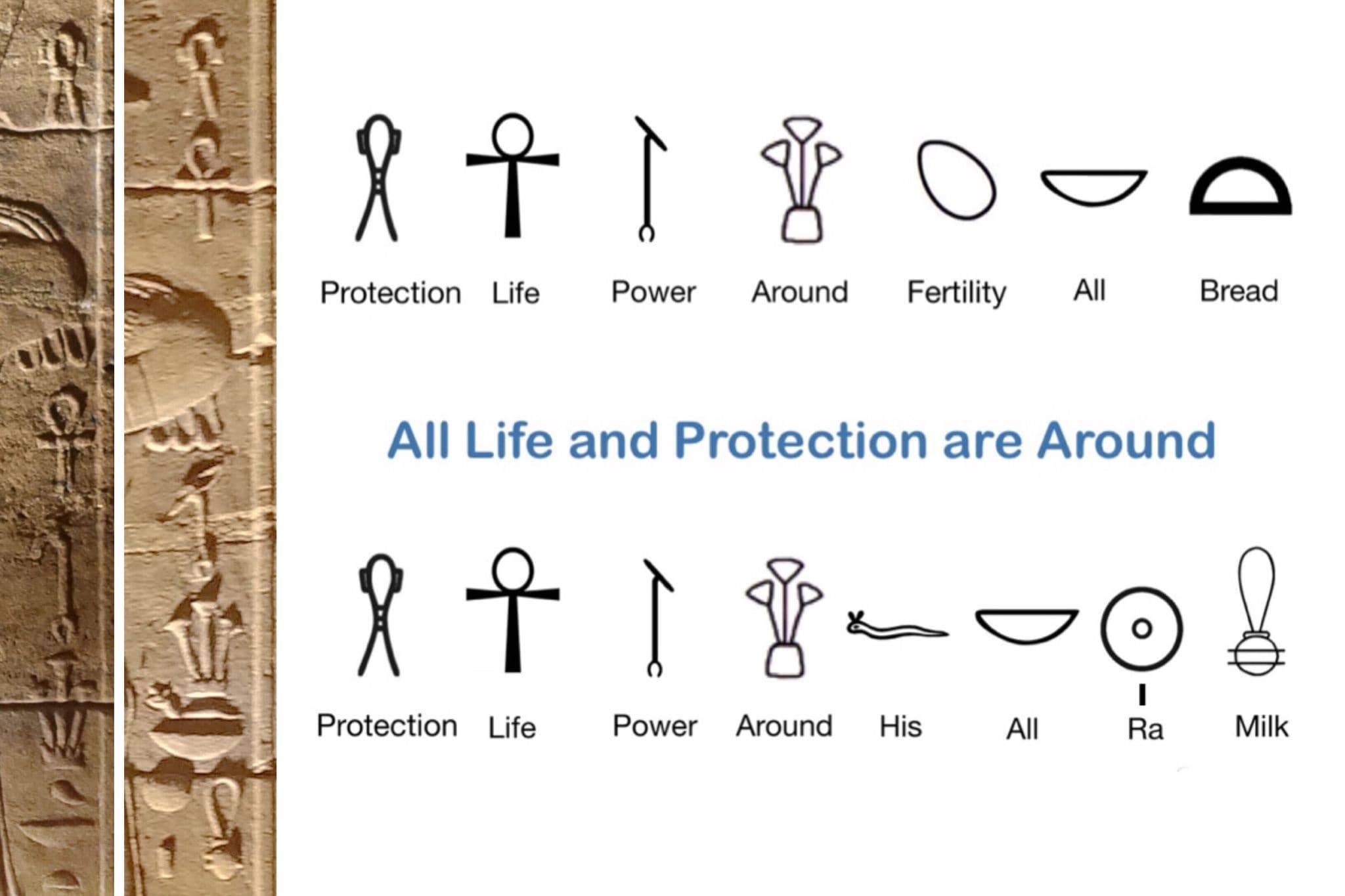
Among the vast array of hieroglyphs and sacred icons left behind by the pharaohs, none is more universally recognized than the Ankh—the ultimate ancient Egyptian symbol of life.
Characterized by a distinct cross topped with a looping handle, this elegant emblem represents the profound concept of eternal life. From towering temple reliefs in Luxor to intricate gold amulets buried deep within royal tombs, the Ankh was a central pillar of ancient Egyptian religion, mythology, and daily culture.
When planning a trip to Egypt, understanding this foundational icon transforms how you experience the country's ancient monuments. At Tailored Egypt, we curate bespoke historical journeys that bring these symbols to life. Here is everything you need to know about the timeless history, meaning, and power of the Ankh.
The Origins and Meaning of the Ankh
The Ankh is believed to have originated during Egypt's Pre-dynastic Period (around 4000 BC), making it one of the oldest symbols in human history.
Scholars interpret its unique shape in several beautiful ways:
The Union of Elements: The loop represents the infinite or spiritual realm (and the sun rising over the horizon), while the crossbar represents the physical earth. Together, they signify the marriage of earth and sky, or male and female energies.
The Key of Life: It was frequently referred to as the "Key of the Nile," representing the life-giving waters that allowed the Egyptian civilization to flourish in the heart of the desert.
In its earliest depictions, it was deeply intertwined with fertility, creation, and Isis—the powerful goddess of motherhood, magic, and healing.
A Symbol of Divine Protection and Pharaonic Authority
In ancient Egyptian theology, life was a gift directly bestowed by the gods. Consequently, the Ankh was considered an instrument of divine power.
The Breath of Life
Walk through any ancient temple with a Tailored Egypt private guide, and you will notice a recurring artistic motif: gods holding the Ankh by its loop. Deities like Osiris, Ra, and Anubis are frequently depicted holding the symbol to the mouth or nose of the pharaoh. This act symbolized the gods breathing physical vitality and spiritual immortality into the king, ensuring a prosperous reign.
A Mark of Royal Power
Pharaohs carried the Ankh as a grand scepter to showcase their divine right to rule. It was intricately woven into royal crowns, carved onto majestic stone thrones, and incorporated into royal cartouches. Carrying the Ankh signaled to the world that the pharaoh was a living god on earth, tasked with maintaining cosmic balance (Ma'at).
The Ankh and the Journey to the Afterlife
The ancient Egyptians did not view death as an end, but rather as a transition to a glorious, eternal afterlife. The Ankh played an indispensable role in this spiritual journey.
Because it symbolized the hope of immortality, the Ankh was heavily featured in funerary art. It was painted onto wooden sarcophagi, sculpted onto tomb walls, and placed over the hearts of mummies as a protective talisman. The ancient Egyptians believed that carrying an Ankh amulet into the Hall of Ma'at would grant the deceased safe passage and unlock the gateway to the Field of Reeds—their version of paradise.
The Ankh in Daily Life: Medicine and Magic
Beyond the grand realm of gods and pharaohs, the Egyptian symbol of life was used daily by ordinary citizens.
Magical Amulets: Egyptians of all social classes wore jewelry, rings, and amulets shaped like the Ankh. Crafted from materials like gold, silver, or blue-glazed faience, these items were believed to bring good luck, ward off evil spirits, and protect the wearer from illness.
Ancient Medicine: The Ankh doubled as an ancient symbol of health. Medical practitioners and healers often carried instruments or staff extensions decorated with the symbol, believing it possessed metaphysical healing properties capable of restoring vitality to the sick.
The Modern Legacy of the Ankh
Thousands of years after the last pharaoh ruled, the Ankh remains a powerful global icon. It continues to inspire modern fashion, luxury jewelry designs, contemporary art, and pop culture around the world. It stands as a timeless bridge connecting modern seekers to the rich, mystical cultural heritage of ancient Egypt.
Experience the Magic of Ancient Egypt with Tailored Egypt
Nothing compares to the feeling of standing inside a 3,500-year-old tomb in the Valley of the Kings and tracing your fingers along an authentic, hand-carved Ankh symbol.
At Tailored Egypt, we break away from rigid, crowded tour buses. We specialize in designing premium, fully customized, and private travel experiences. Whether you want to explore the grand Giza Pyramids, cruise down the life-giving Nile River, or unlock the architectural secrets of Luxor's temples, our expert Egyptologists ensure a deep, meaningful connection to this ancient land.
Ready to start your adventure? Contact Tailored Egypt today to design your bespoke Egyptian dream vacation!