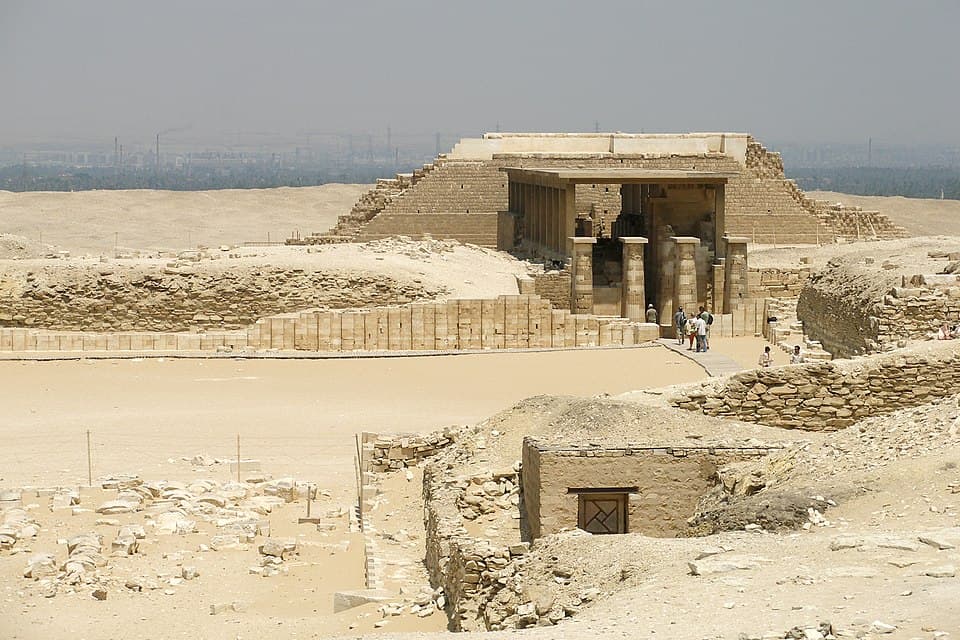
or thousands of years, Egypt has fascinated the world with its pyramids, temples, and stories of powerful pharaohs. Yet even today, the sands of Egypt continue to surprise us. In 2026, archaeologists are uncovering new discoveries that are helping researchers understand how ancient Egyptians lived, worked, worshiped, and built one of history’s greatest civilizations.
From forgotten settlements to ancient tombs and hidden artifacts, these discoveries remind us that Egypt’s history is far from complete. Every excavation brings a new piece of the puzzle.
A New Chapter in Egypt’s Archaeological Story
Egypt is often described as an open-air museum, but much of its history remains buried beneath the ground. Archaeologists continue to explore areas across the country, using modern technology alongside traditional excavation methods to uncover places that have remained hidden for centuries.
In 2026, several archaeological projects attracted global attention, revealing more about Egypt’s ancient cities, religious traditions, and daily life.
Ancient Settlements Hidden Beneath the Desert
One of the most exciting discoveries in 2026 was the identification of an ancient settlement dating back to the Byzantine period in Egypt’s Western Desert. The remains revealed evidence of organized communities, including buildings, streets, and objects that provide insight into life in the region more than a thousand years ago.
Unlike the famous monuments of ancient Egypt, discoveries like these show the everyday side of history. They help researchers understand how ordinary people lived, traded, and adapted to challenging desert environments.
New Discoveries Around Ancient Egyptian Tombs
Egypt’s tombs continue to provide valuable information about the beliefs and traditions of ancient Egyptians. Archaeologists working in different regions have uncovered burial sites containing pottery, inscriptions, and artifacts connected to ancient rituals.
Each tomb tells a personal story. A small object, a painted wall, or a simple inscription can reveal details about a person’s occupation, family, social status, and hopes for the afterlife.
Technology Is Changing How Archaeologists Explore Egypt
Modern archaeology is no longer limited to digging. Today, researchers use advanced tools such as satellite imaging, 3D scanning, and digital mapping to locate hidden structures without damaging them.
These technologies allow experts to explore large areas of desert and identify possible archaeological sites before excavation begins. As a result, more discoveries are being made while preserving Egypt’s fragile heritage.
Why Egypt Still Has More Secrets to Reveal
Many people think that everything important in Egypt has already been discovered because of famous landmarks like the pyramids and temples. However, archaeologists believe thousands of undiscovered sites may still exist.
Egypt’s vast deserts, ancient cities, and burial grounds contain clues about different periods of history — from the earliest settlements to the Roman and Byzantine eras.
Every new discovery adds another chapter to the story of Egypt and helps the world see the civilization beyond its famous monuments.
Egypt’s Archaeological Discoveries Continue to Inspire the World
The discoveries of 2026 show that Egypt’s past is still alive beneath the surface. They connect modern generations with people who lived thousands of years ago and remind us that history is not only found in museums — sometimes it is waiting quietly under the sand.
For travelers, historians, and curious minds around the world, Egypt remains a place where the past and present meet. The next great discovery may be waiting just beneath the desert floor.