Sacred Animals in Ancient Egypt: Meanings and Symbols
Ancient Egypt is one of the world's most fascinating civilizations, known for its pyramids, temples, pharaohs, and mysterious mythology. Among the most interesting parts of Egyptian culture was the deep connection between humans, nature, and the divine world. Animals were not only part of everyday life; many were considered sacred and believed to represent the power and characteristics of the gods.
The ancient Egyptians saw animals as symbols of protection, wisdom, strength, fertility, and eternal life. They believed that certain creatures carried special spiritual qualities and could connect the human world with the world of the gods.
From the graceful cat to the powerful crocodile, each sacred animal in Ancient Egypt had its own meaning and played an important role in Egyptian religion, art, and traditions.
Why Were Animals Sacred in Ancient Egypt?
Animals held a special place in ancient Egyptian beliefs because Egyptians saw nature as a reflection of the divine. They believed that gods could appear in animal form or use animals to express certain qualities.
Sacred animals were often connected to temples, religious ceremonies, and offerings. Some animals were carefully cared for during their lives and mummified after death as a way of honoring the gods they represented.
Animal symbols appeared everywhere in Ancient Egypt, from temple walls and statues to jewelry, amulets, and royal decorations. These symbols helped people understand important ideas such as protection, creation, rebirth, and the afterlife.
Cats in Ancient Egypt: Symbols of Protection and Home
Cats were among the most famous sacred animals in Ancient Egypt. They were highly respected because they protected homes from snakes and rodents, but their importance went far beyond their practical role.
Cats were associated with Bastet, the goddess of protection, motherhood, fertility, music, and happiness. Bastet was often shown as a woman with the head of a cat, representing both gentle care and powerful protection.
Ancient Egyptians believed cats brought good fortune and safety to families. Many people kept cats as beloved companions, and wealthy families sometimes mummified their cats after death as a sign of respect.
Cat symbolism in Ancient Egypt:
Protection
Family and motherhood
Fertility
Grace
Good fortune
Falcons in Ancient Egypt: Symbols of Kingship and the Sky
The falcon was one of the most important sacred animals in Egyptian mythology. Because falcons could fly high above the earth, they became symbols of the sky, vision, and divine power.
The falcon was closely connected with Horus, one of the greatest gods in Ancient Egypt. Horus was the god of kingship, protection, and the sky. Egyptian pharaohs were believed to be connected to Horus, making the falcon a powerful symbol of royal authority.
Images of falcons appeared throughout Egyptian temples, royal monuments, and artwork.
Falcon symbolism in Ancient Egypt:
Kingship
Power
Divine protection
The sky
Victory
Jackals in Ancient Egypt: Guardians of the Afterlife
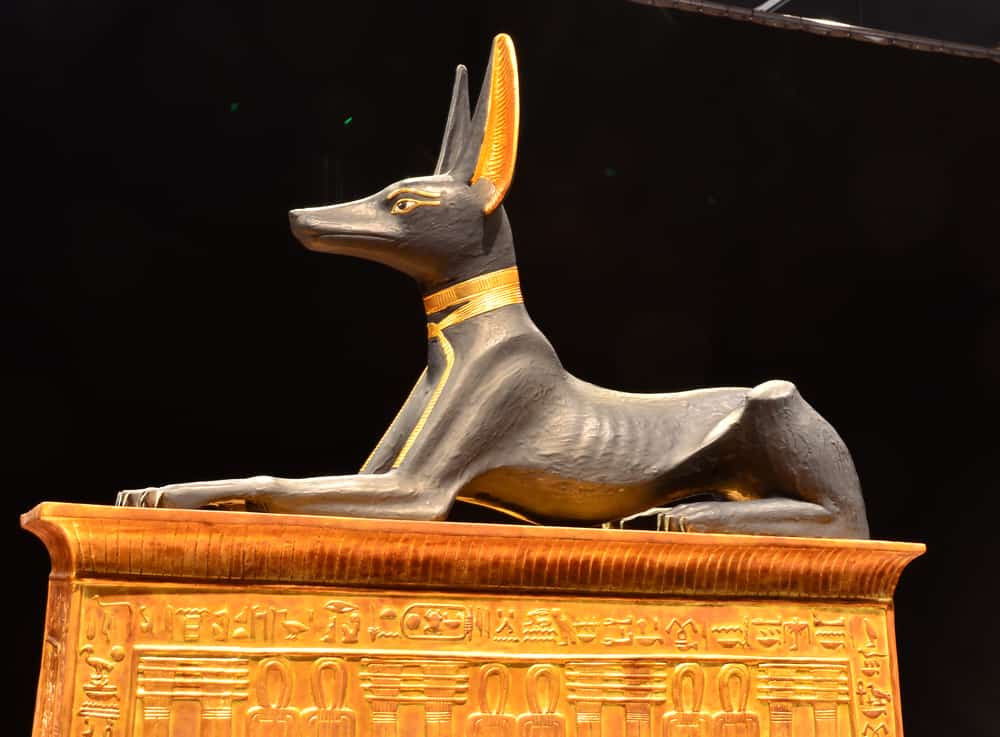
Jackals became associated with death and the afterlife because they were often seen near desert burial areas. This connection led to the creation of Anubis, the jackal-headed god who played an important role in Egyptian burial traditions.
Anubis was believed to protect the dead, oversee the mummification process, and guide souls into the afterlife. The image of the jackal became a symbol of protection during the journey after death.
Jackal symbolism in Ancient Egypt:
The afterlife
Mummification
Protection
Spiritual guidance
The Ibis Bird: Symbol of Wisdom and Knowledge
The ibis was considered a sacred bird because of its connection with Thoth, the ancient Egyptian god of wisdom, writing, science, and knowledge.
Thoth was believed to be the inventor of writing and the keeper of divine knowledge. Egyptians viewed the ibis as a symbol of intelligence and learning.
Many ibis mummies have been discovered at ancient Egyptian burial sites, showing the importance of this bird in religious practices.
Ibis symbolism in Ancient Egypt:
Wisdom
Knowledge
Writing
Learning
Intelligence
Crocodiles in Ancient Egypt: Power of the Nile
Crocodiles were both feared and respected in Ancient Egypt. Living in the Nile River, they represented the strength and unpredictability of nature.
The crocodile god Sobek was associated with power, fertility, protection, and the life-giving waters of the Nile. Some temples kept sacred crocodiles and treated them with great honor.
Although crocodiles could be dangerous, Egyptians viewed them as powerful creatures connected to creation and protection.
Crocodile symbolism in Ancient Egypt:
Strength
Fertility
Protection
Power
The Nile River
Cows in Ancient Egypt: Symbols of Motherhood and Love
Cows represented nourishment, motherhood, and kindness. They were associated with Hathor, one of the most beloved goddesses in Egyptian mythology.
Hathor was the goddess of love, beauty, music, joy, and motherhood. She was often shown with cow horns surrounding a sun disk, representing her connection with life and fertility.
Cow symbolism in Ancient Egypt:
Motherhood
Love
Fertility
Nourishment
Compassion
Rams in Ancient Egypt: Creation and Strength
Rams were respected for their strength and powerful appearance. Their large horns made them symbols of authority, fertility, and creation.
The ram was associated with Amun, one of the most important gods in Ancient Egypt. Amun was considered a creator god and was connected with divine power and kingship.
Ram symbolism in Ancient Egypt:
Creation
Strength
Fertility
Leadership
Divine power
Scarab Beetles: Symbols of Rebirth and Eternal Life
The scarab beetle is one of the most recognizable symbols of Ancient Egypt. Egyptians observed scarab beetles rolling balls across the ground and connected this movement with the journey of the sun across the sky.
The scarab was linked to Khepri, the god of the rising sun and renewal. It became a powerful symbol of rebirth, transformation, and eternal life.
Scarab amulets were commonly worn for protection and placed with the dead to represent resurrection and a safe journey into the afterlife.
Scarab symbolism in Ancient Egypt:
Rebirth
Renewal
Transformation
Eternal life
Protection
Cobras in Ancient Egypt: Royal Protection
The cobra was a symbol of power, royalty, and protection. The famous royal cobra symbol, known as the uraeus, appeared on the crowns of Egyptian pharaohs.
The cobra goddess Wadjet was believed to protect the king and defend Egypt from enemies. The image of the cobra represented both danger and divine protection.
Cobra symbolism in Ancient Egypt:
Royal authority
Protection
Power
Divine guardianship
Lionesses in Ancient Egypt: Strength and Healing
The lioness represented courage, war, and protection. The goddess Sekhmet, shown with the head of a lioness, was one of the most powerful figures in Egyptian mythology.
Sekhmet represented the destructive power of war but was also believed to have healing abilities. She symbolized the balance between destruction and restoration.
Lioness symbolism in Ancient Egypt:
Strength
Courage
Protection
Healing
Warrior power
The Importance of Sacred Animals in Egyptian Culture
Sacred animals in Ancient Egypt reveal how closely religion, nature, and daily life were connected. Egyptians believed that animals carried important spiritual meanings and helped explain the mysteries of the universe.
These animals appeared in temples, tombs, statues, jewelry, and religious ceremonies. Their images continue to inspire people today and remain some of the most recognizable symbols of ancient Egyptian civilization.
For travelers visiting Egypt, seeing the temples, tombs, and museums where these symbols were created offers a unique opportunity to experience the beliefs and stories of one of history's greatest civilizations.
Frequently Asked Questions About Sacred Animals in Ancient Egypt
What were the most sacred animals in Ancient Egypt?
Some of the most sacred animals in Ancient Egypt included cats, falcons, crocodiles, ibises, scarab beetles, jackals, and cows. Each animal represented different qualities connected to Egyptian gods and beliefs.
Did Ancient Egyptians worship animals?
Ancient Egyptians did not usually worship animals themselves. Instead, they respected certain animals as sacred symbols or representations of divine qualities.
Why were cats important in Ancient Egypt?
Cats were important because they were associated with Bastet, the goddess of protection, motherhood, and the home. They were believed to bring safety and good fortune.
Which Egyptian animal symbolized rebirth?
The scarab beetle symbolized rebirth and eternal life. It was connected with the rising sun and the idea of renewal.
Conclusion
The sacred animals of Ancient Egypt provide a fascinating look into the beliefs, traditions, and imagination of this ancient civilization. Each animal carried a deeper meaning, representing powerful ideas such as protection, wisdom, strength, and eternal life.
Thousands of years later, these sacred creatures continue to capture the interest of travelers, historians, and anyone fascinated by the mysteries of Ancient Egypt.