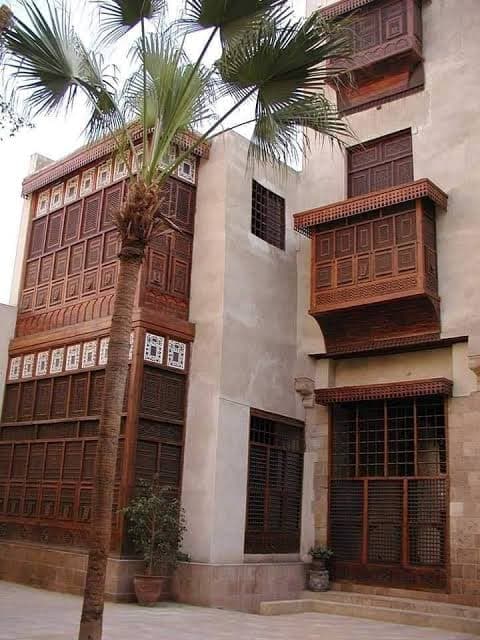
Today, Beit El Sehemi is one of the most important cultural landmarks in Cairo, attracting history enthusiasts, architecture lovers, and travelers seeking an authentic glimpse into the city's rich Islamic heritage.
A House with a Rich History
Beit El Sehemi was originally built in 1648 during the Ottoman period by Sheikh Abdel Wahab El Tablawy. In 1796, the house was purchased by Sheikh Mohamed Amin El Sehemi, a distinguished scholar from Al-Azhar, whose family gave the residence its current name.
Over the centuries, the house expanded into an impressive mansion consisting of multiple interconnected buildings, reflecting the prosperity and social status of its owners.
Outstanding Ottoman Architecture
Beit El Sehemi is considered one of the best-preserved examples of Ottoman residential architecture in Egypt. Every part of the house was carefully designed to provide comfort, privacy, and natural ventilation while showcasing exquisite craftsmanship.
Visitors can admire many remarkable architectural features, including:
Beautiful carved wooden mashrabiyas, which allowed fresh air to circulate while preserving privacy.
Elegant marble floors and decorative fountains.
Spacious reception halls with richly painted wooden ceilings.
Intricately carved doors and colorful stained-glass windows.
Peaceful interior courtyards that filled the home with natural light and cool air.
These architectural elements demonstrate the creativity and sophistication of traditional Islamic design.
Daily Life in Ottoman Cairo
Walking through Beit El Sehemi offers a fascinating insight into everyday life in historic Cairo. The house includes separate reception areas for guests, private family quarters, kitchens, storage rooms, and rooftop spaces designed to capture cooling breezes during the hot summer months.
The layout reflects the values of family life, hospitality, and privacy that shaped domestic architecture throughout the Ottoman era.
A Cultural Landmark
Following extensive restoration, Beit El Sehemi has become an important cultural center. Throughout the year, the house hosts traditional music performances, storytelling events, art exhibitions, educational workshops, and cultural festivals that celebrate Egypt's rich heritage.
These events allow visitors not only to explore the historic building but also to experience the living traditions of Egyptian culture.
Exploring Al-Muizz Street
One of Beit El Sehemi's greatest advantages is its location on Al-Muizz Street, often described as one of the world's greatest open-air museums of Islamic architecture.
A visit to the house can easily be combined with nearby historic attractions, including magnificent mosques, madrasas, sabils, ancient gates, traditional markets, and the vibrant Khan El Khalili Bazaar. Together, they offer an unforgettable journey through more than a thousand years of Cairo's history.
Why Visit Beit El Sehemi?
Unlike Egypt's monumental temples and pyramids, Beit El Sehemi provides an intimate look at how wealthy Cairenes lived centuries ago. Every room tells a story through its architecture, craftsmanship, and carefully preserved details.
Visitors appreciate the peaceful atmosphere, elegant design, and opportunity to experience one of Cairo's finest examples of historic residential architecture.
A Hidden Gem of Islamic Cairo
While many travelers come to Egypt to see the pyramids and ancient temples, Beit El Sehemi reveals another equally fascinating chapter of the country's history. Its beautifully restored rooms, intricate wooden decorations, tranquil courtyards, and rich cultural significance make it one of Cairo's hidden treasures.
For anyone exploring Islamic Cairo, Beit El Sehemi is an essential destination that beautifully preserves the elegance, artistry, and daily life of Ottoman-era Egypt.