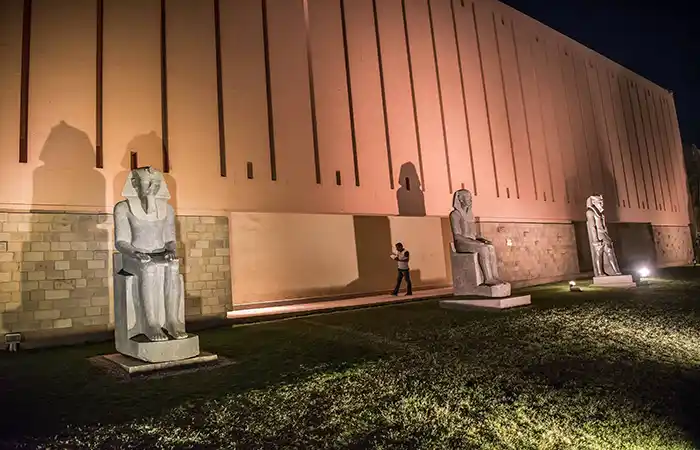
Where Is the Luxor Museum?
The Luxor Museum is situated on the East Bank of the Nile in the heart of Luxor, between Luxor Temple and Karnak Temple. Its convenient location makes it easy to include in a day of sightseeing, especially if you're exploring the city's famous temples or enjoying a Nile cruise.
The museum overlooks the Nile River, providing beautiful views and a peaceful atmosphere away from the crowds.
Why Visit the Luxor Museum?
The Luxor Museum is considered one of Egypt's finest museums because of its high-quality displays and informative presentation. Instead of overwhelming visitors with countless artifacts, it showcases carefully curated collections that tell the story of ancient Thebes and its powerful pharaohs.
Highlights include:
Beautifully preserved statues of pharaohs and gods
Ancient jewelry, pottery, and ceremonial objects
Royal mummies and coffins
Reliefs and inscriptions from temples across Luxor
Artifacts discovered in the nearby temples and tombs
Each exhibit is professionally illuminated with detailed explanations, making the museum enjoyable for both first-time visitors and history enthusiasts.
The Famous Statues from Luxor Temple
One of the museum's most celebrated collections consists of statues discovered buried beneath Luxor Temple during restoration work.
These remarkable sculptures include statues of kings, queens, and deities that remained hidden underground for centuries before being uncovered by archaeologists. Today, they are among the museum's greatest attractions and provide valuable insight into ancient Egyptian art and craftsmanship.
The Gallery of Royal Mummies
The Royal Mummy Gallery is one of the museum's most fascinating sections. Visitors can see the well-preserved remains of ancient Egyptian rulers, learning about burial customs, mummification techniques, and the beliefs surrounding the afterlife.
The gallery offers a respectful and educational experience that brings ancient history to life.
Artifacts from the New Kingdom
Many of the museum's treasures date back to the New Kingdom, one of the most prosperous periods in ancient Egyptian history.
Visitors can admire artifacts associated with famous pharaohs, including:
Tutankhamun
Amenhotep III
Thutmose III
Ramesses II
Akhenaten
These exhibits highlight Egypt's political power, artistic achievements, and religious traditions during its golden age.
Why Include Luxor Museum in Your Egypt Tour?
Many travelers focus on Luxor's famous temples and tombs, but the Luxor Museum provides important historical context that enhances every visit.
Adding the museum to your itinerary allows you to:
Understand the history behind Luxor's monuments.
View priceless artifacts in excellent condition.
Escape the midday heat in a comfortable indoor setting.
Learn about archaeological discoveries made in Luxor.
Complete your exploration of ancient Thebes.
For many visitors, the museum becomes one of the most memorable parts of their Luxor experience.
Best Time to Visit Luxor Museum
The museum is enjoyable throughout the year thanks to its air-conditioned galleries.
Many visitors choose to explore the museum in the afternoon or evening after visiting Karnak Temple or Luxor Temple. This schedule provides a relaxing break while continuing your journey through ancient Egyptian history.
Travel Tips for Visiting Luxor Museum
To make the most of your visit:
Allow 1 to 2 hours to explore the galleries.
Visit with a professional Egyptologist guide for deeper historical insights.
Combine your visit with Karnak Temple, Luxor Temple, or a Nile cruise excursion.
Photography policies may vary, so check the latest regulations before entering.
Wear comfortable clothing and carry a bottle of water, especially during the summer months.
Add Luxor Museum to Your Egypt Travel Itinerary
Whether you're visiting Luxor for a day or as part of a longer Egypt vacation, the Luxor Museum offers an enriching experience that complements the city's iconic archaeological sites.
From magnificent royal statues to beautifully preserved artifacts, every gallery tells the story of one of history's greatest civilizations. For travelers interested in culture, history, and archaeology, the Luxor Museum is an essential stop on any Egypt tour.