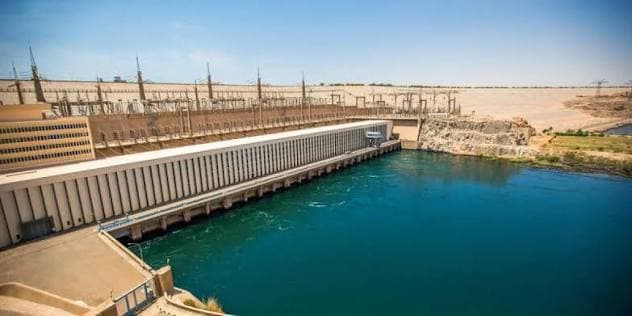
A Brief History of the Aswan High Dam
Construction of the High Dam began in 1960 during the era of President Gamal Abdel Nasser and was completed in 1970. The project was designed to replace the older Aswan Low Dam and solve long-standing problems caused by the Nile’s seasonal flooding.
For thousands of years, the Nile’s floods brought both blessings and destruction. While they enriched the soil, they also destroyed homes and disrupted life. The High Dam was built to bring stability, allowing Egypt to manage water flow throughout the year.
It remains one of the most significant infrastructure projects in Egypt’s modern history.
Why the High Dam Was Built
The main purpose of the High Dam was to transform how Egypt uses the Nile River. Its key benefits include:
Controlling annual flooding and protecting farmland and villages
Storing water for use during dry seasons
Generating hydroelectric power for homes and industries
Supporting agricultural expansion and improving irrigation systems
Thanks to the dam, Egypt was able to move toward year-round farming instead of depending on seasonal floods.
The Creation of Lake Nasser
One of the most remarkable results of the High Dam is the formation of Lake Nasser, one of the largest man-made lakes in the world. This enormous reservoir stretches deep into southern Egypt and northern Sudan.
Lake Nasser plays a vital role in storing Nile water and ensuring a steady supply throughout the year. It also became an unexpected attraction, offering unique desert scenery, fishing opportunities, and access to relocated ancient monuments such as Abu Simbel.
Visiting the High Dam in Aswan
Today, the Aswan High Dam is a popular stop on most Aswan sightseeing tours. Visitors can walk along the top of the dam and enjoy panoramic views of both Lake Nasser and the flowing Nile River.
A visit usually takes a short time but leaves a strong impression. Tourists often find it fascinating to stand between two completely different water systems—one controlled and still, the other natural and flowing.
Nearby attractions that are often combined with the High Dam visit include:
Philae Temple, one of Egypt’s most beautiful temples
The Unfinished Obelisk, a massive ancient stone project
Traditional Nubian villages with rich culture and colorful homes
Engineering Importance of the High Dam
The Aswan High Dam is about 3.8 kilometers long and 111 meters high, making it one of the largest embankment dams in the world. It contains enormous volumes of rock and clay designed to withstand the powerful pressure of the Nile.
The dam also includes a hydroelectric power station that has played an important role in supplying electricity across Egypt for decades.
While the project brought many benefits, it also changed the natural flow of the Nile, affecting sediment distribution and the environment downstream.
Why the High Dam Matters for Travelers
For visitors exploring Egypt with Tailored Egypt Tours, the High Dam offers a unique experience that contrasts with ancient monuments. It helps travelers understand how Egypt evolved from ancient civilization to a modern nation.
It is especially meaningful when combined with visits to Abu Simbel and Philae Temple, as it shows how both ancient and modern achievements are deeply connected to the Nile.
Final Thoughts
The Aswan High Dam is more than just a structure—it is a symbol of transformation. It represents Egypt’s ability to harness one of the world’s most powerful rivers and turn it into a source of stability, energy, and growth.
For travelers, it offers a deeper understanding of Egypt beyond the pharaohs and pyramids, showing how the country continues to evolve while remaining rooted in the Nile that has shaped its history for thousands of years.