Location and Overview
The Valley of the Nobles is located in the desert cliffs west of modern-day Luxor, on the opposite side of the Nile from the main temples and settlements.
It is part of the larger Theban Necropolis, which also includes:
Valley of the Kings
Valley of the Queens
Mortuary temples such as Hatshepsut’s Temple
Together, these sites form one of the richest archaeological landscapes in the world and are part of the UNESCO World Heritage designation Ancient Thebes with its Necropolis.
Historical Background
The Valley of the Nobles was mainly used during the New Kingdom period (around 1550–1070 BCE), especially the 18th, 19th, and 20th Dynasties.
During this time, ancient Thebes was a powerful capital city, and high officials played crucial roles in administration, religion, and military affairs. Instead of being buried near kings, many of these elites were given their own decorated tombs carved into the rocky hills.
These tombs reflect the wealth, status, and personal achievements of their owners, making the site an invaluable historical record.
Tombs and Architecture
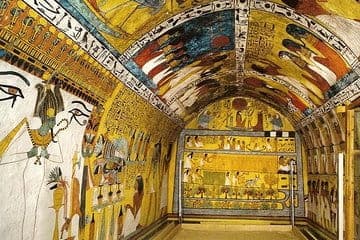
There are hundreds of tombs scattered across the valley, many of them carved into the limestone cliffs.
Unlike royal tombs, these are often:
Smaller in scale
More open to light and air
Decorated with scenes of daily life
A typical noble tomb includes:
A courtyard or entrance terrace
A decorated chapel
Burial chambers beneath the rock
Walls covered with paintings and inscriptions
The art inside these tombs is especially important because it shows real-life activities such as farming, fishing, banquets, trade, and religious rituals.
Famous Tombs in the Valley of the Nobles :
Tomb of Rekhmire (TT100)
Rekhmire was a powerful vizier under Pharaoh Thutmose III and Amenhotep II. His tomb is famous for detailed scenes showing administration, taxation, and foreign tribute.
Tomb of Sennefer (TT96)
Known as the “Tomb of the Vineyards,” it features beautifully painted ceilings covered in grapevine designs, symbolizing abundance and prosperity.
Tomb of Nakht (TT52)
This tomb is famous for its vivid agricultural scenes showing harvesting, hunting, and music, offering a rare glimpse into daily life.
Religious Beliefs and Afterlife
Like other Theban burial sites, tombs in the Valley of the Nobles were designed with strong religious meaning.
They include:
Spells from the Book of the Dead
Offerings to gods such as Osiris, Anubis, and Hathor
Symbols of rebirth and eternal life
The goal was to ensure the deceased noble could successfully transition into the afterlife and continue receiving offerings.
Geography and Preservation
The valley is carved into soft limestone cliffs, which allowed easy tomb construction but also created preservation challenges.
Over time, the tombs have been affected by:
Erosion from wind and sand
Occasional flash flooding
Human activity and looting in ancient times
Despite this, many tombs still preserve incredibly detailed artwork.
Archaeological Discoveries
Modern excavation of the Valley of the Nobles has revealed:
Hundreds of decorated tombs
Mummies and burial artifacts
Wall paintings in excellent condition
Administrative records and inscriptions
These discoveries have been essential for understanding the social structure of ancient Thebes, especially the lives of non-royal elites.